|
Samaria Gorge Crete 2025 |
||||||||||||||||||||||||||||||||||||||||||||||||||||||||||||||||||||||||||||||||||
|
|
Here I’ve compiled a few tips and information that you should consider if you’re going to walk through the gorge.
The question of logistics is an important consideration. There is no road between the start and the end of the hike. If you left your car at the entrance, you’ll then have to drive for hours back to the north coast in order to pick it up. For that reason, it’s better to do the walk with either public transport or an organised tour.
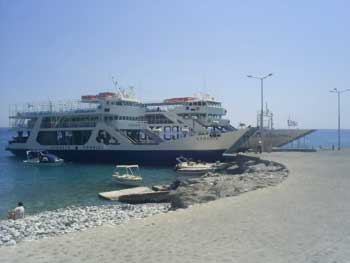
At the end of the gorge is Agia Roumeli. From here you take the ferry to Chora Sfakia. From there, you can take the ferry back to Chania. All told, using public transport, you leave Chania about 6 or 7am and you’ll get back at 8pm. The price for a ticket for the ferry from Agia Roumeli to Chora Sfakia is €12.70 in 2019 (6 Euro for children). The bus from Chania to the entrance near Omalos is €7.50, the bus in tne evening back to Chania from Sfakia is €8.30. Altogether, including the 5 Euro entrance to the Samaria Gorge, it will cost about €33.50. All prices from May 2017. Prices for organised tours are in the same price range or a bit more, the only difference being that the tour operator has bought all the tickets for you. It’s probably better to get a tour from your base; there’s daytrips from all of the bigger resorts – even as far as Malia and Hersonissos – but these will obviously start even earlier. If you’re moving onto another destination after you’ve walked the gorge, there are also ferries departing Agia Roumeli to Loutro, Sougia and Paleochora. From Paleochora and Sougia you can do the Samaria Gorge with public transport, though ferries are not daily.
There are not many watering holes, so be sure to take
plenty of water with you!
No hotel on Crete yet?
There are thousands
hotels and other accommodations on Crete. In
our opinion the best overview is at Booking.com.
You can sort accommodations by price or display only
accommodations in certain cities. The hotels can be booked
quickly and easily on Booking.com, there are also
many holiday
apartments.
Map Samaria Gorge Crete
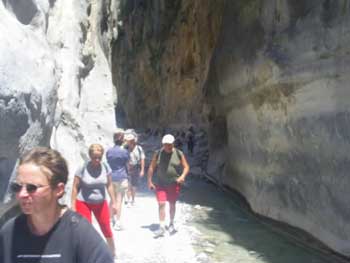
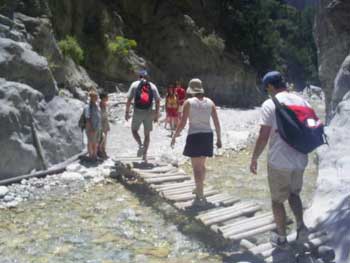
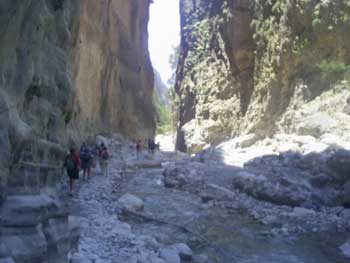
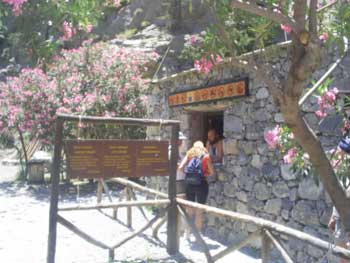
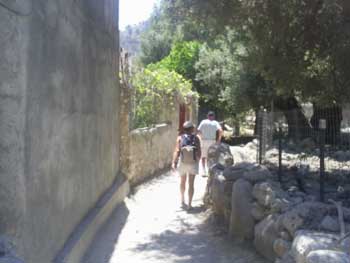
Description of the hike in 2025 The Samaria Gorge is 19km long, on a rocky track which
winds around the terrain, making it longer and harder than
a road the same distance would be. Once again, do not
underestimate the distance, even if the Greeks (not
notable walkers themselves) tell you it’s no problem.
After one and a half hours of walking, you’ll reach the
small chapel of Agios Nikolaos, which is the first big
resting place, where you can stop to take a picnic by the
beautiful spring there. Three hours in, you’ll come across
an abandoned village called Samaria. Here you’ll usually
find water, and quite often some first-aid personnel, a
helicopter landing field and toilets. After the village,
the most interesting part of the gorge begins.
After one more hour, you’ll reach the end of the gorge. Altogether the walk through the gorge is at least five hours (plus breaks). There are two tavernas at the end of the track. To get to the port to catch a ferry and to Agia Roumeli is another 2km walk from here.
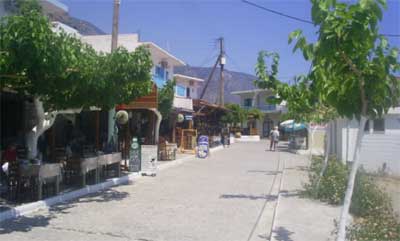
Agia Roumeli This small village is packed to the rafters with tired, hungry and thirsty hikers from 2-5pm. There are dozens of restaurants and some supermarkets here to cater for the clientele, and prices are pretty high. After the last ferry leaves in the evening, Agia Roumeli is a quiet village. Some houses rent room, and the restaurants are nicer without the big crowds. A nice place to stay is the Pension Oasis. If you’re walking the Samaria Gorge uphill, it makes a lot of sense to spend the night before in Agia Roumeli.
|
|
||||||||||||||||||||||||||||||||||||||||||||||||||||||||||||||||||||||||||||||||